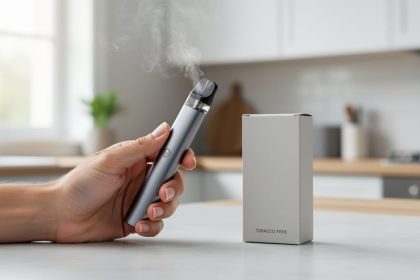
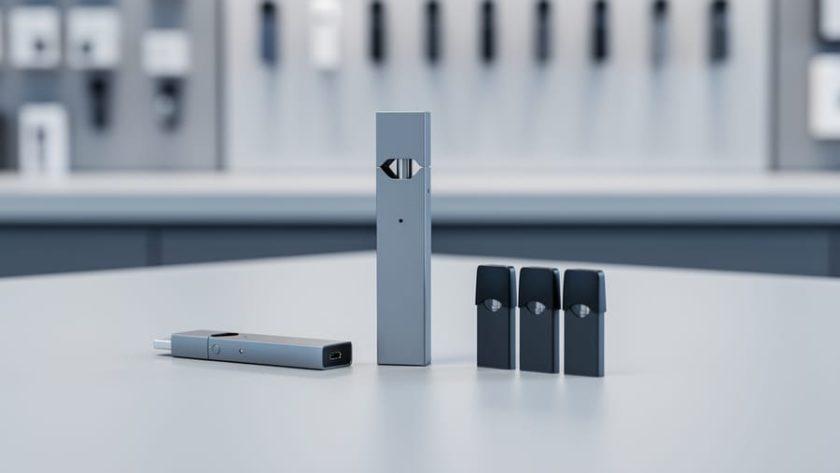
A JUUL starter kit typically costs between $9.99 and $19.99 in 2026, with official promotions currently offering the device for free alongside pod purchases. The base price covers the JUUL battery and USB charging dock, though your actual cost depends on where you buy, whether promotions are active, and how quickly you go through JUULpods.
The upfront device cost is just the starting point. Your long-term expenses center on replacement pods, which represent the bulk of vaping costs over time. Understanding this distinction matters because a free or discounted device can still lead to substantial monthly spending if you vape regularly. Retailers price kits differently, promotional periods shift savings opportunities, and subscription services through offer Auto-Ship options that may reduce per-unit costs with regular deliveries.
This breakdown cuts through the confusion around JUUL pricing by separating one-time device costs from recurring pod expenses. You’ll see exactly what’s included in starter kits, why prices vary between authorized retailers, and whether buying direct from or through third-party stores makes more financial sense. We’ll also compare the closed-system convenience of JUUL against refillable alternatives for cost-conscious vapers weighing their options.
Remember that purchasing any JUUL product requires you to be at least 21 years old in the United States. You can find authorized retailers through JUUL’s store locator or shop directly at, both of which ensure you’re buying genuine products covered by manufacturer support.
Current JUUL Starter Kit Prices
A JUUL starter kit in 2026 ranges from free to around $20, depending on where you buy and what’s included. The device itself is relatively inexpensive compared to many vape starter kits, but understanding the difference between a bare-bones device and a complete starter kit helps you budget accurately.
currently offers the most aggressive pricing: you can get a free JUUL device through their 2026 promotional offer, which normally retails for $9.99. This promotion makes the barrier to entry exceptionally low for anyone curious about the JUUL system. The catch is that you’ll need to purchase pods separately, and the device-only option means you’re getting just the battery unit without additional accessories or pods included.
Third-party retailers typically bundle the device with essential accessories. Electric Tobacconist, for example, sells a JUUL Battery and charger kit for $19.99. This configuration includes both the device and a charging cable, providing everything you need to start vaping once you add pods. The same retailer offers identical pricing for color variants like the Silver JUUL Battery and charger kit, also at $19.99.
| Retailer | Kit Contents | Price |
|---|---|---|
| Device only (promotional offer) | Free | |
| Device only (standard pricing) | $9.99 | |
| Electric Tobacconist | Device + charger | $19.99 |
The term “starter kit” isn’t standardized across retailers. Some use it to describe the device alone, while others apply it to bundles that include charging equipment. A true starter kit should contain everything needed to begin vaping except the pods themselves: the JUUL device, a charging cable or dock, and ideally some documentation. Pods are always sold separately in 2-pack and 4-pack options, available in Menthol and Virginia Tobacco flavors.
When comparing prices, factor in what you’re actually getting. A $9.99 device from requires you to source a charger separately if one isn’t included, while a $19.99 retail bundle delivers the complete charging setup. Neither price includes pods, which represent the ongoing expense that ultimately determines your total cost of ownership. Most first-time buyers benefit from a complete kit that includes charging equipment rather than piecing components together separately.
What’s Included in a JUUL Starter Kit
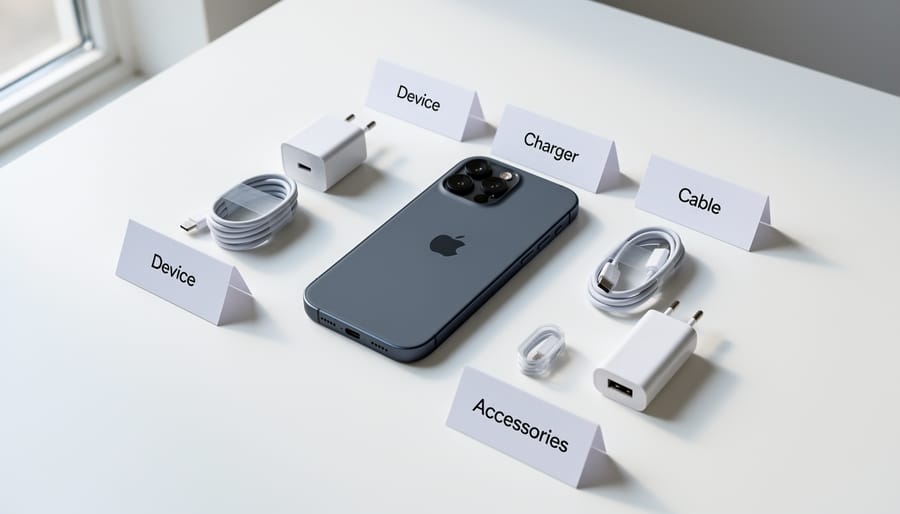
A JUUL starter kit’s contents vary depending on where and what you buy, but the core component is always the JUUL device itself, a compact, rectangular vaporizer about the size of a USB drive. Understanding what comes in the box helps you budget accurately and avoid surprises when your kit arrives.
The most basic JUUL purchase is the device alone, which currently offers at $9.99 (or free with certain 2026 promotions). This gets you the battery-powered unit that houses the heating element and connects to JUULpods, but nothing else. You’ll need a charging cable to power it, and crucially, pods to actually vape.
More complete starter bundles typically include a USB charging cable or magnetic charging dock alongside the device. Third-party retailers like Electric Tobacconist offer battery-and-charger kits at $19.99, giving you everything needed to start using the device once you add pods. Some bundles may also include a protective case or color-matched accessories, though these are less common in basic starter offerings.
Here’s what you should confirm is included before purchasing:
- JUUL device (the vaporizer unit itself)
- USB charging cable or magnetic charging dock
- User manual with safety information and instructions
- Warranty card (if applicable)
The critical thing to know: JUULpods are almost always sold separately from the device. You’ll need to purchase pods in 2-packs or 4-packs to use your JUUL, and they come in Menthol and Virginia Tobacco flavors. This separation between device and pods is standard for JUUL’s closed-system design, so factor pod costs into your total startup budget. A “complete” starter experience means buying both the device kit and at least one pack of pods, which we’ll break down in the next section on ongoing costs.
Ongoing Costs: JUULpods and Replacement Parts
JUULpod Pricing and Pack Options
JUULpods are sold in two pack sizes: 2-packs and 4-packs, available in Menthol and Virginia Tobacco flavors. While official pricing for pods isn’t specified in available 2026 data, third-party authorized retailers typically offer both options with per-pod costs decreasing slightly when buying larger packs.
Your monthly pod costs depend entirely on vaping frequency. A light user who takes occasional puffs might make a single pod last three to four days, consuming roughly two to three pods weekly. That translates to eight to twelve pods monthly, or two to three 4-packs. Moderate users often go through a pod per day, requiring a 4-pack weekly or sixteen pods monthly. Heavy users transitioning from smoking may use one and a half to two pods daily, burning through forty-five to sixty pods per month.
To calculate your expected costs, track how many days your first pod lasts, then multiply that consumption rate across thirty days. Add fifteen percent as a buffer for variations in usage patterns. If you’re using JUUL to quit smoking, your consumption typically decreases over the first few months as nicotine cravings stabilize, potentially lowering your monthly spend. Buying 4-packs rather than 2-packs when available reduces per-pod costs and cuts down on reorder frequency.
Accessories and Replacement Costs
Beyond the device and pods, JUUL users may occasionally need to replace charging accessories or invest in protective gear. The good news: these purchases are infrequent for most users, and the costs remain modest compared to ongoing pod expenses.
A replacement USB charging cable or charging dock typically runs $10 to $15 from authorized retailers, though some third-party options may cost less. Most users find the original charger lasts at least a year with normal use, often much longer, since there are no moving parts to wear out. You’ll only need a replacement if you lose the original or damage the cable.
Protective cases and silicone sleeves range from $5 to $20, depending on design and material quality. While not essential, a case can prevent scratches and extend your device’s life, particularly if you carry it in pockets with keys or coins. The JUUL device itself is fairly durable, but the magnetic connection for pods can weaken over time with heavy daily use.
Other accessories available through the JUUL store locator and authorized retailers include car chargers and portable charging cases, typically priced between $15 and $30. These convenience items suit specific lifestyles but aren’t necessary for basic operation. For most users, the original charger and device will serve well for months without needing replacements, making accessory costs a minor factor in the overall JUUL budget.
What Affects JUUL Starter Kit Prices
Several factors determine what you’ll actually pay for a JUUL starter kit, and understanding them helps you spot genuine value versus inflated pricing. The variation you see between retailers isn’t random, specific economic and logistical elements drive the final number on the receipt.
Retailer markup and channel differences create the most obvious price gaps. currently offers the device free (normally $9.99) with pod purchases, while authorized third-party retailers like Electric Tobacconist charge $19.99 for a battery and charger kit. That spread reflects each seller’s business model: direct-from-manufacturer sales eliminate middleman costs, whereas retail shops factor in overhead, inventory management, and profit margins. Online vendors typically price lower than brick-and-mortar stores due to reduced operating expenses.
The primary factors influencing JUUL starter kit costs include:
- Bundle composition, device-only packages versus kits with chargers, carrying cases, or pod samples
- Promotional timing, seasonal sales, first-time buyer discounts, and limited-time manufacturer offers
- Geographic location, state and local tobacco/vapor taxes can add several dollars to the purchase
- Purchase channel, official site, authorized retailers, or specialty vape shops each price differently
- Subscription options, Auto-Ship enrollment may unlock lower per-unit costs over time
Tax structures vary dramatically by jurisdiction. Some states classify vaping products as tobacco and apply significant excise taxes, while others impose minimal fees. Urban areas with stricter vapor regulations often see higher retail prices due to compliance costs and reduced competition.
Package size affects per-unit economics too. Buying a 4-pack of pods alongside your starter kit typically costs less per pod than purchasing 2-packs, though the upfront expense increases. Retailers also run periodic promotions, Black Friday, back-to-school periods, or inventory clearances, that can drop starter kit prices by 20% or more.
Geographic availability matters because shipping costs and regional distribution networks influence pricing. Remote or rural areas may face limited local options and higher delivery fees when ordering online, while urban centers benefit from competitive retail density that keeps prices in check.
Where to Buy JUUL Starter Kits
Buying Direct from
Buying directly from gives you guaranteed product authenticity and access to deals you won’t find elsewhere. The headline offer in 2026 is a free JUUL device, normally priced at $9.99, which essentially eliminates your upfront hardware cost. You’ll only pay for the pods themselves to get started.
The official site also features exclusive online coupons and periodic promotions that can reduce your ongoing expenses. Check the savings section before checkout to see current offers on pod packs or bundles.
Auto-Ship subscriptions provide another cost advantage. You customize the frequency of monthly pod deliveries based on your consumption rate, ensuring you never run out while avoiding the markup some retailers add. Subscribers often receive priority access to new flavors or limited promotions, and you can adjust or cancel shipments anytime without penalty.
Ordering direct means certainty about what you’re getting. Third-party retailers may offer competitive pricing, but guarantees fresh stock, secure payment processing, and direct customer support if issues arise. Delivery is straightforward, though you’ll need to verify you’re 21 or older during checkout, consistent with federal age requirements.
Authorized Retail Locations
JUUL’s store locator tool, available on their website, makes finding authorized retailers in your area straightforward. Enter your zip code or city, and the tool displays nearby brick-and-mortar shops verified to sell authentic JUUL products. These locations include convenience stores, vape shops, and gas stations that have met JUUL’s authorization requirements. Visiting a physical store offers several practical advantages: you can purchase your starter kit and walk out with it immediately, avoiding shipping wait times. Staff can answer questions about device operation, pod flavors, and proper usage on the spot. You’ll also verify you’re buying genuine JUUL products directly from an authorized source, reducing the risk of counterfeits. Keep in mind that all U.S. retailers require buyers to be 21 or older, so bring valid ID for age verification at checkout.
Third-Party Online Retailers
Reputable online vape shops provide another authorized purchasing channel. Electric Tobacconist, for instance, lists JUUL Battery and charger kits at $19.99. Before purchasing from any third-party retailer, verify they’re an authorized JUUL seller, unauthorized sources may sell counterfeit products that compromise safety and quality. Check the retailer’s return policy and shipping terms upfront. While comparing prices across sites can reveal savings opportunities, don’t sacrifice authenticity for a few dollars off. Stick with established vape retailers that clearly display age-verification processes and have transparent customer service policies. Legitimate online shops will require you to confirm you’re 21 or older before completing your order, consistent with U.S. regulations.
DIY Savings vs. Ready-Made Convenience

JUUL uses a closed pod system, which means you can’t refill the pods with your own e-liquid. This design choice eliminates the traditional DIY cost-saving route that open-system vapes offer. While you’ll pay more for pre-filled JUULpods over time compared to buying bottles of e-liquid and refilling a tank yourself, JUUL trades that ongoing expense for significant convenience and consistency.
The cost difference adds up quickly. A heavy vaper might spend $40-60 monthly on JUULpods, whereas someone using a refillable device could spend $15-25 on e-liquid for similar usage. Over a year, that’s potentially $300-400 in extra costs for the JUUL system. However, refillable devices require more hands-on maintenance: cleaning coils, replacing parts, managing e-liquid inventory, and troubleshooting when things go wrong.
Pros
- No learning curve for coil changes, wattage settings, or tank maintenance.
- Consistent nicotine delivery and flavor with every pod, no variability.
- Compact design fits easily in pockets without leaking concerns.
- No need to carry e-liquid bottles or worry about spills.
Cons
- Pod costs are significantly higher than refillable e-liquid over time.
- Limited to two flavor options instead of hundreds available for open systems.
- Generates more waste with disposable pods versus reusable tanks.
- No ability to adjust nicotine strength or customize your experience.
For smokers transitioning to vaping who prioritize simplicity, JUUL’s ready-made approach removes barriers to success. You’re paying for the engineering that makes it work reliably without effort. Cost-conscious vapers who enjoy tinkering and don’t mind a steeper learning curve will save money with refillable alternatives, but they’ll invest time and attention that JUUL users simply don’t need to spend. The right choice depends on whether you value your time and convenience more than the ongoing savings.
Ways to Save on JUUL Starter Kits and Pods
The good news for budget-conscious vapers is that JUUL starter kits and pods offer several legitimate ways to trim costs without resorting to unauthorized sellers or counterfeit products. Start by maximizing official promotions, then layer on strategic purchasing habits to reduce your monthly spend.
- Claim the free device promotion on . In 2026, JUUL is offering free devices (normally $9.99) with qualifying purchases, eliminating the upfront hardware cost entirely. Check their official coupons page before buying to ensure you catch the latest offer.
- Enroll in Auto-Ship subscriptions for recurring pod deliveries. ‘s Auto-Ship program lets you customize monthly shipments and often includes subscriber-exclusive discounts. The convenience of automatic delivery also helps you avoid last-minute purchases at convenience stores, where prices tend to run higher.
- Buy larger pod pack sizes when your budget allows. While 2-packs offer flexibility, 4-packs typically reduce the per-pod cost. Calculate your monthly consumption and stock up when you spot favorable pricing.
- Monitor authorized retailer sales cycles. Shops like Electric Tobacconist occasionally run promotions on JUUL products. Sign up for email alerts from reputable retailers you’ve verified through the JUUL store locator.
- Look for bundle deals that package devices with pods or accessories. Some authorized retailers offer starter bundles that beat the cost of buying components separately.
The key constraint in saving money on JUUL products is sticking with authorized channels. While unauthorized sellers might advertise lower prices, they put you at risk for counterfeit pods, expired products, or devices with no warranty coverage. Use ‘s store locator to verify any retailer before purchasing, and remember that legitimate deals never require compromising on product safety or authenticity. Combining the free device offer with Auto-Ship enrollment represents your strongest starting position for long-term savings.
Is a JUUL Starter Kit Worth the Cost?
Whether a JUUL starter kit is worth the cost depends on what you value most in a vaping device. The initial investment is modest, ranging from free (with ‘s 2026 promotion) to around $20 at authorized retailers, but the ongoing pod expenses are where JUUL’s total cost of ownership accumulates. For certain users, that trade-off makes perfect sense. For others, it’s a dealbreaker.
JUUL excels at delivering consistent nicotine satisfaction with zero learning curve. If you’re transitioning from cigarettes and want something that works immediately without fiddling with coils, wattage settings, or refill bottles, JUUL’s simplicity justifies the premium. The closed pod system means you never worry about leaks, burnt hits from improper wicking, or compatibility issues. You insert a pod and vape. That reliability has real value for former smokers who need a hassle-free alternative, not a hobby.
The cost calculus shifts if you’re budget-conscious or vape frequently. Heavy users can burn through pods quickly, making monthly expenses add up compared to refillable devices that use bottled e-liquid. A moderate vaper might spend $30 to $50 monthly on JUULpods, while a comparable open-system device could cut that by half or more with bottled juice. You’re paying for convenience, quality control, and a curated experience rather than raw cost efficiency.
Quality and safety matter beyond the price tag. JUUL’s closed system ensures consistent manufacturing standards and limits exposure to counterfeit or contaminated products when purchased from authorized retailers. Third-party refillable pods or off-brand alternatives might promise savings but introduce risks around product integrity and device compatibility. For users prioritizing safety and predictable performance, JUUL’s pricing structure reflects that assurance.
JUUL represents good value if you prioritize plug-and-play simplicity, consistent quality, and don’t vape heavily enough to make pod costs prohibitive. It’s less economical for high-volume users or tinkerers who enjoy customization and don’t mind the maintenance that refillable systems require.
Frequently Asked Questions
Pricing and availability details matter when you’re considering any vaping purchase, and JUUL buyers have specific questions that come up repeatedly. The answers below address the most common cost concerns and help you understand what to expect when budgeting for a JUUL system.
How much do replacement JUULpods cost?
JUULpods are sold in 2-packs and 4-packs, with pricing varying by retailer and any promotions available at the time. Expect to replace pods regularly depending on your usage frequency, so factor this recurring expense into your budget.
Are there cheaper alternatives to JUUL?
Yes, refillable pod systems and open-tank devices typically cost less per month since you buy e-liquid in bottles rather than pre-filled pods. However, these alternatives require more maintenance and lack JUUL’s simplicity and consistency.
Can you refill JUUL pods to save money?
JUUL pods are designed as sealed, single-use units and aren’t meant to be refilled. Attempting to refill them risks leaks, poor performance, and safety issues, which undermines the reliability that makes JUUL appealing in the first place.
What’s included in a basic JUUL starter kit?
A basic kit typically includes the JUUL device itself and a USB charging cable. Some retailer bundles add a charging dock or other accessories, but pods are usually sold separately since flavor preferences vary.
Device longevity is another frequent concern. A JUUL device can last a year or more with normal use, though battery capacity gradually diminishes over time like any rechargeable electronics. There are no parts to replace on the device itself, when the battery eventually degrades, you simply purchase a new device. Given the current promotions that make the device itself inexpensive or even free with pod purchases, replacement cost isn’t typically a major concern.
does offer Auto-Ship subscriptions that deliver customizable monthly shipments to your door, which can include exclusive savings and benefits not available through one-time purchases. These subscriptions let you set your preferred delivery frequency and adjust or cancel anytime, making it easier to manage ongoing costs without running out of pods unexpectedly. Check the official site for current subscription offers, as these change periodically and may provide the best value for regular users.
Where the Money Goes
When you purchase a JUUL starter kit, you’re paying for several distinct components. The device itself, comprising the aluminum body, battery technology, and proprietary heating element, typically accounts for the bulk of the initial cost, whether that’s $9.99 through JUUL’s promotional pricing or around $19.99 from authorized retailers like Electric Tobacconist. The included charging cable or dock adds a few dollars to the package, covering materials and basic electronics.
For ongoing costs, JUULpod pricing breaks down into e-liquid formulation and manufacturing, the specialized pod hardware with built-in coils, and flavor development costs for the two available options (Menthol and Virginia Tobacco). When you buy 2-packs or 4-packs, you’re also covering quality control testing, FDA compliance requirements, and child-resistant packaging mandates.
Behind the retail price sits additional cost layers: distribution and logistics to authorized retailers, marketing expenses, retailer markup margins, and regulatory compliance costs including age verification systems. Local and state excise taxes on vaping products add further variation depending on where you buy. JUUL’s Auto-Ship subscription program absorbs some distribution costs through predictable ordering, which is why direct-from-manufacturer purchases sometimes offer better value than third-party retailers.
DIY vs Hiring a Pro
The “DIY vs Hiring a Pro” framing doesn’t apply to JUUL starter kits because there’s no professional service or installation involved. You purchase the complete device ready to use, there’s no assembly, setup assistance, or technician option to weigh against self-purchase.
However, the relevant comparison for cost-conscious readers is JUUL’s closed-system convenience versus refillable open-system devices that let you buy e-liquid separately. JUUL doesn’t allow refilling its pods, which means you’re locked into purchasing official JUULpods in 2-packs and 4-packs at set prices. This ensures consistent quality and eliminates the learning curve of coil changes or liquid mixing, but it comes with higher ongoing costs compared to refillable alternatives.
Refillable pod systems or vape mods require more hands-on management. You’ll buy bottles of e-liquid, occasionally replace coils, and handle minor maintenance. The upfront effort and learning investment are higher, but monthly costs drop significantly once you’re comfortable with the routine. The trade-off is straightforward: JUUL prioritizes simplicity and reliability at a premium, while refillable devices reward users willing to manage their setup for better long-term savings.
In 2026, a JUUL starter kit typically runs between $10 and $20 for the basic device and charger setup. You’ll find the lowest price directly from, where the company currently offers a free device (normally $9.99) through its official promotions, making it the most cost-effective entry point. Third-party authorized retailers like Electric Tobacconist list device and charger bundles at $19.99. Remember that the initial kit is just the starting point, your biggest expense over time will be JUULpods, sold in 2-packs and 4-packs, so factor ongoing pod costs into your total budget.
The price you pay depends on where you shop, what’s included in the bundle, your local taxes, and whether you catch a promotional offer. Smart strategies like using ‘s coupons, subscribing to Auto-Ship for regular deliveries, and buying larger pod packs can trim your spending.
Always purchase from authorized retailers, either, stores found through the official JUUL store locator, or verified online vape shops. This ensures product authenticity, safety, and compliance with age requirements (21+ in the U.S.). Weigh the initial cost against your vaping habits and preferences, and choose the purchasing channel that balances convenience, price, and peace of mind for your situation.