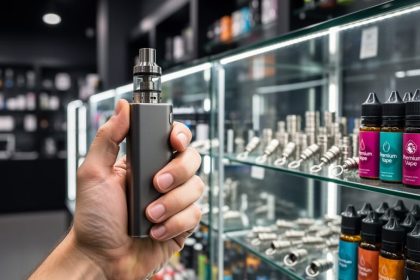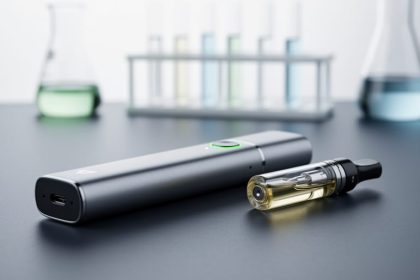
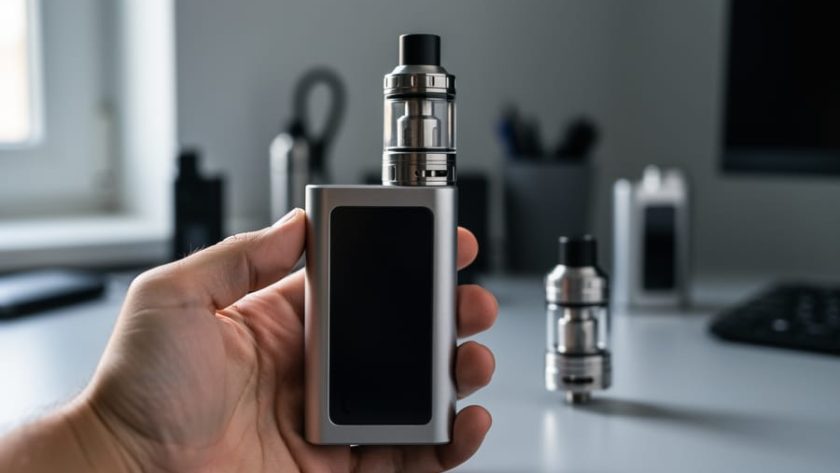
A vape mod is the main body of an advanced vaping device that houses the battery and circuitry controlling power delivery to the atomizer. Unlike disposable vapes or all-in-one pod systems, mods are designed to be customizable, giving you control over wattage, temperature, and other settings to fine-tune your vaping experience.
Understanding what a mod is matters because it represents the difference between basic vaping and having genuine control over how your device performs. When you see someone using a box-shaped device with a screen and buttons, they’re likely using a mod. These devices range from beginner-friendly regulated mods with built-in safety features to advanced mechanical mods for experienced users who understand battery safety and Ohm’s law.
This guide will walk you through exactly how mods work, the key components that make them function, and the different types available in 2026. We’ll also cover practical uses and critical safety considerations, because making informed purchasing decisions starts with understanding what you’re actually buying. Whether you’re considering upgrading from a simple pod system or just trying to decode vape shop terminology (similar to understanding what’s I Vape Photos means in physical stores), you’ll finish this article knowing exactly what sets mods apart from other vaping devices.
What a Vape Mod Actually Means
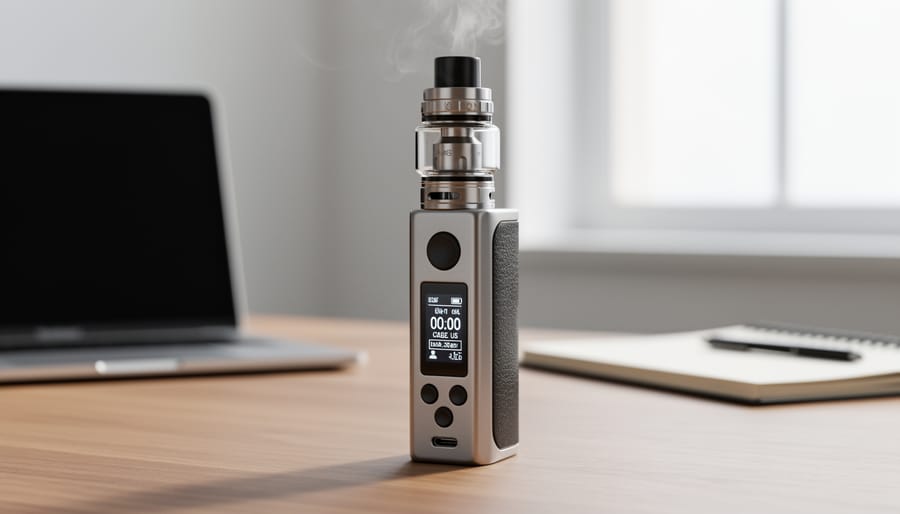
The word “mod” started as shorthand for “modified” in the early days of vaping, when enthusiasts literally modified flashlights and other battery-powered devices to create custom vaping equipment. These DIY contraptions allowed users to control power output and vapor production in ways that the basic e-cigarettes of the time could not. What began as a hobbyist practice has evolved into an entire category of manufactured devices, but the name stuck.
Today, when vapers talk about a mod, they mean the main body of a vaping device: the component that houses the battery (or batteries), regulates power output, and connects to the atomizer or tank. Think of it as the engine and dashboard of your vaping setup. The atomizer or tank holds the e-liquid and produces vapor, while the mod provides the power and control.
This matters because mods are often sold separately from tanks and atomizers, giving you the freedom to mix and match components. A complete vaping setup requires both pieces. If you are comparing a mod to a starter kit cost keep in mind that starter kits include everything you need in one package, while buying a mod means you will also need to purchase a compatible tank, coils, and possibly batteries and a charger depending on the mod type.
The mod serves as the foundation of your vaping experience, controlling how much power reaches the coil and therefore how much vapor you get, how intense the flavor is, and how warm or cool the vapor feels.
How Vape Mods Work
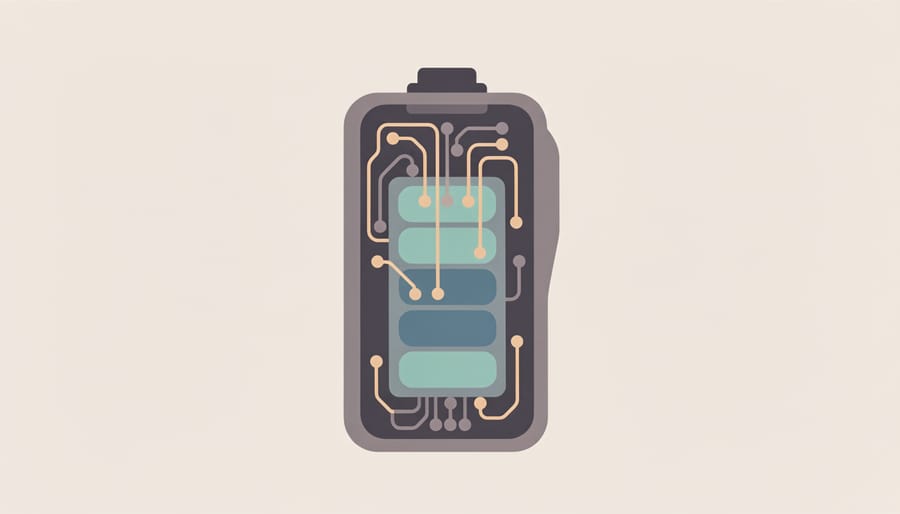
A vape mod functions as a sophisticated power management system that converts stored battery energy into the precise heat needed to vaporize e-liquid. Understanding this process helps you appreciate how different settings affect your vaping experience and why proper operation matters for both performance and safety.
The process begins when you press the firing button. This action closes an electrical circuit, allowing power to flow from the batteries housed inside the mod. In regulated mods, the type most vapers use, this power doesn’t go directly to the atomizer. Instead, it passes through a chipset, a small computer that manages and controls the electrical current based on your chosen settings.
The chipset’s job is to regulate voltage and wattage, delivering consistent power to the atomizer coil regardless of battery charge level. When you set your mod to 50 watts, for example, the chip calculates the exact voltage needed and maintains that power output until the batteries drain too low. This regulated delivery produces reliable vapor and prevents the coil from receiving too much or too little power, which would affect flavor and vapor production.
The regulated power then travels through the 510 connection, the threaded port on top of the mod where the tank or atomizer attaches. Once it reaches the coil inside the atomizer, the electrical resistance of the wire converts that energy into heat. This heat vaporizes the e-liquid saturating the coil’s wicking material, creating the vapor you inhale.
Modern vape mods incorporate several key components working together:
- Battery compartment: Houses one or more rechargeable batteries that store the energy
- Chipset/circuitry: The control center that regulates power delivery and monitors system status
- 510 connection: The standardized threading that connects the mod to tanks and atomizers
- Firing button: Activates the circuit to send power when pressed
- Display screen: Shows current settings, battery life, and device information
- Adjustment buttons: Allow you to change wattage, voltage, and other settings
Safety features built into the chipset protect both you and the device. Short-circuit protection immediately cuts power if it detects a wiring problem in the atomizer. Low-battery cutoff prevents over-discharge, which damages batteries and creates safety risks. Overheat protection shuts down the mod if internal temperatures climb too high. These automated safeguards make regulated mods far safer than mechanical alternatives, particularly for users still learning proper battery management and device operation.
Types of Vape Mods and Box Mods
Regulated Mods
Regulated mods contain electronic circuitry, a chipset, that controls how power flows from the battery to the atomizer. This chipset acts as both a control center and safety net, preventing common problems like battery overheating, short circuits, or firing when resistance is too low. You adjust settings through buttons and a display screen, rather than relying on direct battery output.
The most common feature is variable wattage, which lets you dial power up or down to change vapor production and flavor intensity. Start at the lower end of your coil’s recommended range, then increase gradually until you find what tastes best. Variable voltage works similarly but adjusts voltage instead of wattage, most vapers stick with wattage mode since it’s more intuitive.
Temperature control mode reads coil temperature in real time, capping it at your chosen limit. This prevents dry hits when your tank runs low on e-liquid and can extend coil life. It requires specific coil materials like stainless steel, nickel, or titanium to work properly.
Regulated mods are the clear choice for beginners and most experienced vapers. The safety protections prevent dangerous mistakes, the display shows exactly what’s happening, and you can fine-tune your experience without understanding electrical theory. Even simple regulated devices include low-battery warnings, overheat protection, and automatic cutoffs, features entirely absent from mechanical mods.
Unregulated (Mechanical) Mods
Mechanical mods strip vaping down to its bare essentials: a battery tube, a firing mechanism, and a direct connection to the atomizer. There’s no circuit board, no display, and no safety cutoffs. When you press the button, the full battery voltage flows straight to the coil with nothing in between to regulate power or stop dangerous situations.
This simplicity appeals to experienced vapers who want maximum power output and the purest possible connection, but it comes with serious risks. Without built-in protections, a mechanical mod won’t stop you from over-discharging batteries, firing a short circuit, or exceeding safe amperage limits. You’re entirely responsible for building coils within safe resistance ranges and understanding how battery voltage, coil resistance, and current draw interact through Ohm’s Law.
A miscalculation can lead to battery venting, thermal runaway, or worse. Mechanical mods demand rigorous attention to battery condition, proper resistance checking with an ohm meter, and absolute certainty that your build falls within your battery’s continuous discharge rating.
These devices are exclusively for advanced users who’ve mastered battery safety, coil building, and electrical theory. If you’re still learning what wattage means or how resistance affects vapor production, mechanical mods aren’t appropriate, stick with regulated devices that provide the safety nets you need.
Box Mods vs. Tube Mods
Box mods and tube mods differ primarily in their physical design, which directly affects their capabilities and user experience. Box mods feature a rectangular, boxy shape that accommodates multiple batteries, typically two 18650 cells, alongside larger circuit boards and OLED screens. This design allows for higher wattage output, longer battery life between charges, and more advanced features like customizable power curves and detailed performance data. The trade-off is size and weight; box mods are bulkier and less pocket-friendly.
Tube mods follow a cylindrical design that mirrors the shape of a single battery housed inside. They’re slimmer, lighter, and more portable than box mods, making them appealing for vapers who prioritize discretion and convenience. However, tube mods generally offer lower maximum wattage, shorter battery life, and fewer features, some modern tube mods include basic displays and protections, but many mechanical tube mods have no electronics whatsoever.
The choice comes down to your priorities: box mods deliver power and versatility for all-day vaping and cloud production, while tube mods offer simplicity and portability for moderate use or experienced vapers seeking a minimalist setup.
Integrated Battery vs. Removable Battery Mods
Integrated battery mods come with a built-in rechargeable battery that you charge via USB cable, similar to a smartphone. These offer convenience, no need to buy separate batteries or an external charger, and eliminate concerns about installing batteries incorrectly. However, once the internal battery degrades after hundreds of charge cycles (typically 12-18 months of regular use), you’ll need to replace the entire mod.
Removable battery mods use replaceable cells like 18650, 20700, or 21700 batteries that you can swap out when depleted. This extends the mod’s lifespan significantly since you simply replace worn batteries rather than the whole device. You can also carry spare batteries for all-day vaping without needing a power outlet. The trade-off is added responsibility: you must purchase quality batteries from reputable manufacturers, use a proper external charger, and handle them safely to avoid shorts or venting.
For beginners prioritizing simplicity, integrated battery mods work well. Experienced vapers often prefer removable batteries for flexibility and long-term cost savings.
Common Features Found on Modern Vape Mods
Most vape mods sold in 2026 share a core set of features designed to give users control over their vaping experience while maintaining safety. Understanding these features helps you evaluate devices and make informed purchasing decisions.
The display screen, typically an OLED or LCD panel, shows real-time information including current wattage or voltage, battery level, coil resistance, puff count, and active firing time. Higher-end mods often include full-color screens with customizable themes, though basic monochrome displays work perfectly well for most vapers.
Power adjustment is the fundamental feature. Regulated mods let you dial wattage up or down to control vapor production and flavor intensity. Most devices range from 5 watts to 200+ watts, though everyday vaping typically happens between 40 and 80 watts depending on your coil and tank setup.
- Wattage Mode
- The most common setting where you set a specific power output measured in watts. The mod automatically adjusts voltage to maintain that power level regardless of coil resistance changes.
- Temperature Control (TC)
- A mode that limits coil temperature to prevent dry hits and burnt taste by monitoring resistance changes. Works only with specific wire types like nickel, titanium, and stainless steel.
- Variable Voltage (VV)
- Lets you set a specific voltage output rather than wattage. Less common on modern devices but preferred by some experienced users for fine-tuning their vape.
- Bypass Mode
- Delivers raw battery voltage directly to the atomizer like a mechanical mod but retains safety protections. Useful for testing builds or experiencing unregulated vaping safely.
- Preheat
- Applies a brief power boost when you first press the fire button to heat the coil faster. Improves responsiveness with large, high-mass coils.
- TCR (Temperature Coefficient of Resistance)
- An advanced setting that lets you manually enter the resistance change rate for custom wire types, enabling temperature control with materials beyond the standard presets.
Safety protections are standard on all regulated mods. These include short-circuit protection, low-resistance cutoff (typically 0.1 ohms), overheating protection, reverse-battery protection, and automatic timeout after 10 seconds of continuous firing. Some devices also warn you when battery voltage drops below safe operating levels.
Firmware upgradeability has become common on mid-range and premium mods. This lets manufacturers add features, fix bugs, and improve performance through software updates you install via USB connection. Not essential, but a useful bonus that extends a device’s usable lifespan.
How Vape Mods Are Used in Practice
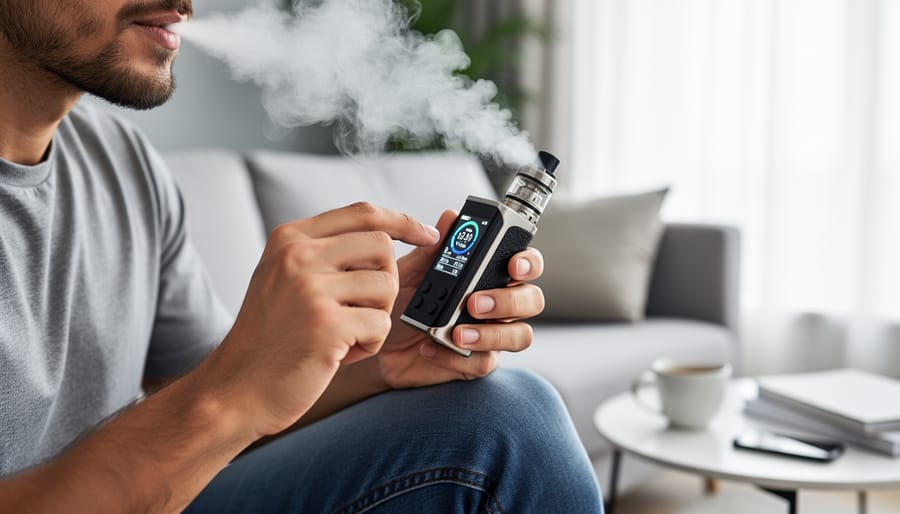
In real-world vaping, a mod serves as the foundation of a customizable setup. You pair it with a compatible tank or rebuildable atomizer by screwing the atomizer’s 510 connector into the mod’s 510 threading. This modular design lets you swap tanks to match your mood, using a sub-ohm tank for dense clouds one day and a mouth-to-lung tank for tighter draws the next, all powered by the same mod.
Power adjustment is where customization truly begins. If you’re chasing intense flavor, you might increase wattage to heat the coil faster, producing richer taste from your e-liquid. For bigger vapor production, higher wattage combined with low-resistance coils (typically below 0.5 ohms) creates the thick clouds associated with direct-lung vaping. Conversely, dialing down to 12-15 watts with a higher-resistance coil delivers a cigarette-like mouth-to-lung draw that conserves battery and e-liquid.
Experienced vapers build custom setups around their preferences. A cloud chaser might pair a dual-battery box mod set to 80-100 watts with a rebuildable dripping atomizer featuring hand-wrapped coils. A flavor enthusiast could use temperature control mode on a single-battery mod with a mesh coil tank, fine-tuning heat to extract specific flavor notes without burning the cotton.
The practical advantage is simple: one quality mod adapts to multiple vaping styles rather than requiring separate devices for each preference.
Safety Considerations When Using Vape Mods
Safe mod use begins with battery knowledge. Always purchase authentic 18650, 20700, or 21700 cells from established manufacturers like Samsung, Sony, or LG, never cheap unbranded alternatives from questionable sources. Counterfeit batteries represent the single biggest safety risk in vaping, as they can vent, overheat, or fail catastrophically under normal use.
Battery wraps matter more than most beginners realize. Inspect your batteries before every use for tears, nicks, or exposed metal. Even a tiny damaged spot can create a short circuit when the battery makes contact with your mod’s interior. If you spot any damage, rewrap the battery immediately or replace it. Never carry loose batteries in pockets or bags where metal objects like keys or coins could bridge the positive and negative terminals.
Understanding your battery’s amp limits is non-negotiable for safe operation. Check the continuous discharge rating (CDR) and never exceed it, especially with mechanical mods. Most quality batteries rated at 20-30 amps will safely handle typical regulated mod use, but building low-resistance coils on a mechanical device demands careful calculation and respect for these limits.
Essential safety practices every mod user should follow:
- Check battery wraps weekly for tears, dents, or exposed metal
- Use only the manufacturer’s recommended charger or a quality external charger
- Purchase devices and batteries only from authorized retailers to avoid counterfeits
- Stay within your mod’s specified resistance and wattage ranges
- Verify you meet the legal age requirement in your jurisdiction before purchasing
Charge batteries in a fire-safe location, never overnight unattended, and use dedicated external chargers when possible rather than USB charging. If your mod feels unusually hot, displays error messages, or the battery vents (releases gas or hissing sounds), stop using it immediately and safely dispose of the battery.
Following vaping safety basics and making informed purchasing decisions protects both you and others around you. Responsible mod use isn’t complicated, but it requires attention to detail and respect for lithium-ion battery chemistry.
Choosing the Right Mod for Your Needs
Selecting the right mod starts with an honest assessment of your experience level. If you’re new to vaping, choose a regulated box mod with built-in safety protections, clear display screens, and straightforward controls. These devices prevent common mistakes and let you adjust settings gradually as you learn what works for you.
Consider your vaping style next. Mouth-to-lung vapers who want a cigarette-like draw need less power, typically 10 to 20 watts, so a compact single-battery mod works well. Direct-lung vapers chasing large vapor clouds require higher wattage and benefit from dual-battery box mods that deliver sustained power without constant recharging.
Budget matters, but don’t sacrifice safety for savings. Mid-range regulated mods from established manufacturers offer reliable performance and essential protections without premium price tags. Avoid suspiciously cheap devices from unknown brands, as these often lack proper safety features or use inferior components.
Look for specifications that match your needs: battery capacity measured in milliamp-hours (mAh), maximum wattage output, temperature control capability if you plan to use it, and firmware update support for longevity. Before purchasing, visit a vape shop where staff can demonstrate different models and answer questions, or buy from verified online retailers with strong customer reviews and return policies.
Frequently Asked Questions About Vape Mods
Can you use any tank on any mod?
Most tanks will physically fit most mods because they use a standard 510 connection, but compatibility goes beyond threading. You need to match the tank’s coil resistance and power requirements to what your mod can safely deliver, and ensure your mod has the wattage range your chosen coil needs to function properly.
How long do mod batteries last?
Battery life depends on capacity, your wattage settings, and how frequently you vape. A dual-battery regulated mod running at moderate wattage typically lasts a full day of regular use, while high-wattage vaping drains batteries much faster, sometimes in just a few hours.
What wattage should I use on my mod?
Start with the recommended wattage range printed on your coil (usually stamped on the coil itself or listed on the packaging), then adjust up or down based on your preference for vapor warmth and flavor intensity. There’s no universal “correct” wattage, it varies by coil resistance, e-liquid composition, and personal taste.
Are expensive mods worth the price?
Higher-priced mods often offer better build quality, more accurate chipsets, longer warranties, and additional features like advanced temperature control, but a mid-range regulated mod from a reputable manufacturer will serve most vapers perfectly well. Beginners should prioritize safety features and reliability over premium materials or extra modes they won’t use.
Do I need a box mod or will a pod system work?
Pod systems work well for smokers transitioning to vaping or those wanting simplicity and portability, but they offer limited customization. Box mods make sense if you want control over power settings, longer battery life, the ability to swap tanks, or plan to explore different vaping styles as you gain experience.
These questions reflect what most newcomers wonder when first encountering vape mods. Compatibility concerns stem from seeing the variety of tanks and mods available, while battery and wattage questions come from unfamiliarity with the variables affecting performance. The cost question matters because mod prices range dramatically, and beginners reasonably want to know if spending more delivers meaningful benefits. The pod-versus-mod question captures a genuine decision point: many people entering vaping in 2026 start with pods and later wonder if graduating to a mod makes sense for their needs.
A vape mod is the power source and control center of your vaping setup, the component that houses the battery, regulates power delivery, and determines how your device performs. Whether you’re looking at a feature-rich regulated box mod or a simple mechanical tube, understanding what a mod does and how it works helps you make informed decisions about your vaping experience.
The choice between regulated and mechanical mods isn’t just about features. It’s about matching the device to your skill level and safety awareness. Regulated mods offer built-in protections and user-friendly controls that make them the clear choice for most vapers, especially those new to the hobby. Mechanical mods demand advanced knowledge and carry real risks if mishandled.
Safety should guide every purchase decision. Use authentic batteries from reputable manufacturers, understand your device’s specifications, and never push beyond your knowledge level. The right mod for you is one that fits your experience, meets your vaping style, and comes from a trusted retailer who stands behind their products.
Start with devices that match where you are now, not where you think you’ll be. As your understanding grows, so can your setup.