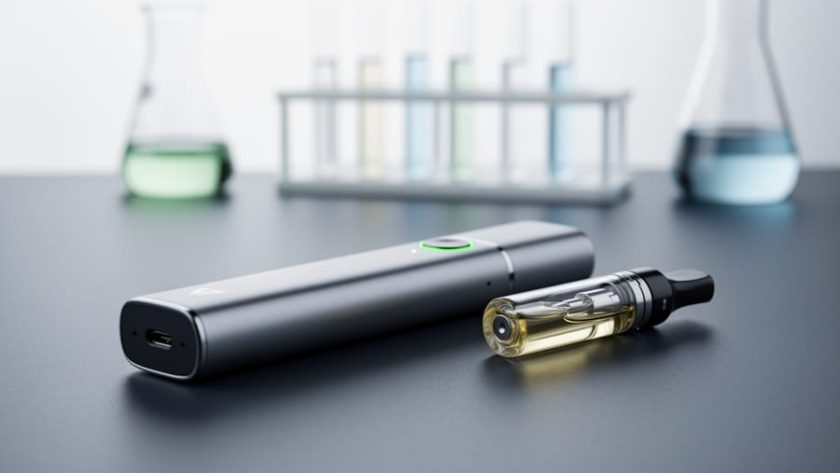
Hemp-derived THC vape products are legally available in many states and increasingly popular, but they carry serious safety risks you need to understand before buying. The unregulated nature of the hemp market means many products lack third-party testing, contain inaccurate THC levels, or include harmful additives like vitamin E acetate and heavy metals. Before you shop hemp products here’s what you need to know about protecting yourself.
Unlike traditional cannabis products sold through state-licensed dispensaries, hemp-derived THC vapes often bypass strict testing requirements. This regulatory gap creates a Wild West market where product quality varies dramatically between brands. Some manufacturers prioritize safety with comprehensive testing and transparent ingredient lists, while others cut corners to maximize profit.
The risks aren’t theoretical. Cases of severe lung injury linked to contaminated vape products have been documented since 2019, and the problem persists in 2026. Delta-8, Delta-9, and THC-O products all flood the market with minimal oversight.
This doesn’t mean all hemp-derived THC vapes are dangerous, but it does mean you can’t assume any product is safe without verifying it yourself. Understanding how to spot quality products, what lab tests actually prove, and which red flags signal potential contamination will help you make safer choices. The difference between a clean, properly manufactured vape and a contaminated one can have immediate health consequences, making informed purchasing decisions critical for anyone considering these products.
Understanding Hemp-Derived THC: What Makes It Different
The term “hemp-derived THC” sounds reassuring, like it’s somehow cleaner or more natural than its marijuana-derived cousin. The reality is more complicated. Both hemp and marijuana are cannabis plants, and the main difference between them has nothing to do with safety. It’s a legal distinction based on THC concentration. The 2018 Farm Bill federally legalized hemp, defined as cannabis containing less than 0.3% delta-9 THC by dry weight. Marijuana, with higher delta-9 THC levels, remains federally controlled. This arbitrary legal line created a massive loophole that enterprising manufacturers quickly exploited.
Here’s where it gets interesting: manufacturers discovered they could chemically convert CBD extracted from legal hemp into various THC compounds that technically aren’t delta-9 THC. This conversion process produces several cannabinoids that have flooded the market.
- Delta-8 THC
- A psychoactive cannabinoid that occurs naturally in cannabis in trace amounts but is typically synthesized from CBD for commercial products. It produces milder effects than delta-9 THC.
- Delta-10 THC
- Another minor cannabinoid created through chemical conversion that reportedly produces more energizing effects than delta-8, though research remains limited.
- THC-O
- A synthetic acetate ester of THC that doesn’t occur naturally and requires chemical modification to produce. It’s significantly more potent than regular THC and raises serious safety concerns.
- HHC (Hexahydrocannabinol)
- A hydrogenated form of THC created through chemical processes, marketed as more shelf-stable than traditional THC compounds.
The critical point many consumers miss is that “hemp-derived” describes the starting material, not the final product’s safety profile. These compounds reach your vape cartridge through complex chemical conversions in labs with wildly varying quality standards. The hemp plant itself might be legal and safely grown, but what happens to it afterward determines what you’re actually inhaling. A hemp-derived product made in a shoddy facility with questionable processes and zero testing is objectively more dangerous than a well-regulated marijuana-derived product from a licensed dispensary. The source plant matters far less than the manufacturing standards, testing protocols, and regulatory oversight governing the final product.
The Real Safety Concerns with Hemp-Derived THC Vapes
Lack of Regulation and Testing Standards
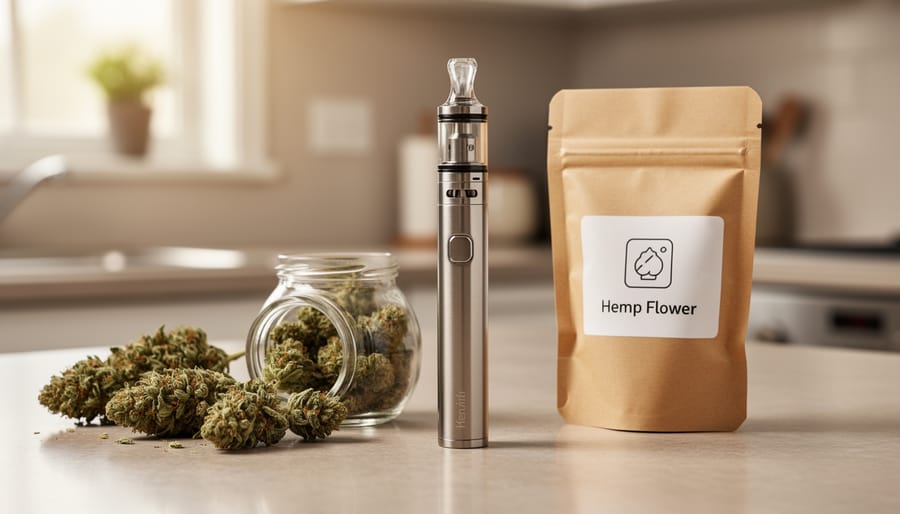
The regulatory landscape for hemp-derived THC products remains fragmented and inconsistent across the United States. Unlike state-licensed cannabis programs that operate under strict testing requirements and quality control protocols, hemp-derived THC vapes often exist in a regulatory gray zone with minimal oversight.
The 2018 Farm Bill legalized hemp and its derivatives containing less than 0.3% delta-9 THC, but it didn’t establish comprehensive safety standards for products made from hemp. This created a loophole that allowed manufacturers to produce and sell psychoactive cannabinoids derived from hemp without adhering to the rigorous testing mandates that cannabis dispensaries must follow.
State-licensed cannabis products typically undergo mandatory testing for potency, pesticides, heavy metals, residual solvents, microbial contaminants, and mycotoxins before reaching consumers. Hemp-derived THC products face no such universal requirements. Some states have begun implementing their own regulations, but enforcement varies widely and many jurisdictions have no testing mandates whatsoever.
The FDA has not established a regulatory framework for these products, despite issuing warning letters to some manufacturers. This regulatory vacuum means there’s no consistent standard for what constitutes a safe hemp-derived THC vape product. Manufacturers can essentially self-regulate, deciding whether to conduct testing and what standards to apply.
This lack of oversight creates real risks for consumers. Without mandatory testing, you have no guarantee that what’s listed on the label matches what’s actually in the cartridge. You don’t know if the product contains harmful contaminants or if proper manufacturing practices were followed. The responsibility for safety falls almost entirely on individual manufacturers, with minimal accountability and no standardized enforcement.
Contamination Risks: Heavy Metals, Pesticides, and Solvents
When you vape a hemp-derived THC product, you’re not just inhaling cannabinoids. Poorly manufactured vape cartridges can deliver a cocktail of dangerous contaminants directly into your lungs, where absorption happens rapidly and damage can be severe.
Heavy metals present one of the most serious contamination risks. Lead, cadmium, chromium, and nickel can leach from low-quality heating elements and cartridge hardware, especially when cheap materials are used. Unlike ingesting these metals through food or water, inhaling vaporized heavy metals delivers them straight to your bloodstream through lung tissue. Repeated exposure accumulates in your body over time, potentially causing neurological damage, organ toxicity, and respiratory problems.
Pesticides and herbicides from hemp cultivation create another hazard. Hemp plants are bioaccumulators, meaning they absorb contaminants from soil and water. When grown with conventional farming methods using chemical pesticides, these toxins concentrate in the plant material. The extraction process then carries them into the final product. Some pesticides transform into even more toxic compounds when heated to vaping temperatures, creating byproducts that were never tested for human inhalation safety.
Residual solvents from extraction pose yet another threat. Many manufacturers use butane, propane, hexane, or other hydrocarbon solvents to extract cannabinoids from hemp. When these solvents aren’t properly purged from the final product, you’re inhaling chemical vapors with every puff. Short-term effects include respiratory irritation and headaches, while long-term exposure to some solvents has been linked to organ damage and cancer.
The extraction method matters enormously. CO2 extraction and ethanol extraction, when done correctly, can produce cleaner products than hydrocarbon methods, but only if manufacturers follow proper protocols and test for residuals.
Synthetic Conversion Processes and Unknown Byproducts
Most hemp-derived THC compounds you’ll encounter, delta-8, delta-10, THC-O, and HHC, don’t exist naturally in significant amounts in hemp plants. Instead, manufacturers create them in laboratories by chemically converting CBD extracted from hemp. This process isn’t inherently dangerous when done properly, but that’s a big “when.”
The conversion typically involves treating CBD with strong acids, solvents, or other chemical reagents to rearrange its molecular structure into the desired cannabinoid. Think of it as molecular alchemy. Delta-8 THC, for example, is produced by exposing CBD to acids that trigger isomerization, transforming CBD’s chemical bonds into delta-8’s configuration.
Here’s where safety concerns emerge: these chemical reactions can create byproducts alongside the intended cannabinoid. Unreacted reagents, degradation products, and contaminants from the conversion process can remain in the final product if manufacturers skip proper purification steps. Some of these compounds have never been studied for inhalation safety. You’re essentially vaping chemistry experiments with unknown long-term effects.
The quality of this process varies wildly. Reputable labs use pharmaceutical-grade reagents, controlled conditions, and thorough purification. But many hemp-derived products come from operations cutting corners to maximize profit, using questionable methods that leave harmful residues behind.
THC-O presents an extreme example. This synthetic cannabinoid requires acetic anhydride in its production, the same chemical used to make heroin from morphine. If not completely removed, residual acetic anhydride can break down when heated, potentially releasing harmful compounds directly into your lungs.
Unlike naturally occurring cannabinoids with decades of human use, these converted compounds lack long-term safety data. You’re trusting manufacturers to execute complex chemistry perfectly, and many simply aren’t equipped for that responsibility.
Inaccurate Labeling and Potency Issues
When you pick up a hemp-derived THC vape, the label might tell you it contains 25mg of delta-8 THC per serving with zero delta-9 THC. But multiple independent studies have revealed a troubling pattern: what’s on the label often doesn’t match what’s actually in the product.
Research published in peer-reviewed journals has consistently found that hemp-derived THC products frequently contain significantly different cannabinoid levels than advertised. Some products tested at double or triple their claimed potency, while others contained barely half. This isn’t a minor discrepancy, it’s the difference between a mild buzz and an overwhelming experience that might send you straight to the couch for hours.
Even more concerning, lab testing has repeatedly detected cannabinoids that aren’t listed on labels at all. Products marketed as pure delta-8 have shown up with substantial amounts of delta-9 THC, delta-10, or other compounds created during manufacturing. Some samples contained isomers and conversion byproducts that haven’t been studied for safety in humans.
This mislabeling creates real risks. If you’re trying to avoid delta-9 THC for legal or employment reasons, you might unknowingly consume enough to fail a drug test. If you’re sensitive to THC’s effects, an unexpectedly potent product could trigger anxiety or paranoia. And when mystery compounds show up in your vape, you’re essentially participating in an uncontrolled experiment with your respiratory health.
The lack of accuracy isn’t always intentional deception, it can stem from poor quality control or unstable compounds degrading over time. Regardless of the cause, the result is the same: you can’t trust the label.
Vaping Hardware Concerns Specific to Hemp Products
The vaping device itself matters just as much as what you’re vaping. Hemp-derived THC products often end up in budget hardware that poses its own set of safety risks, separate from concerns about the oil or distillate.
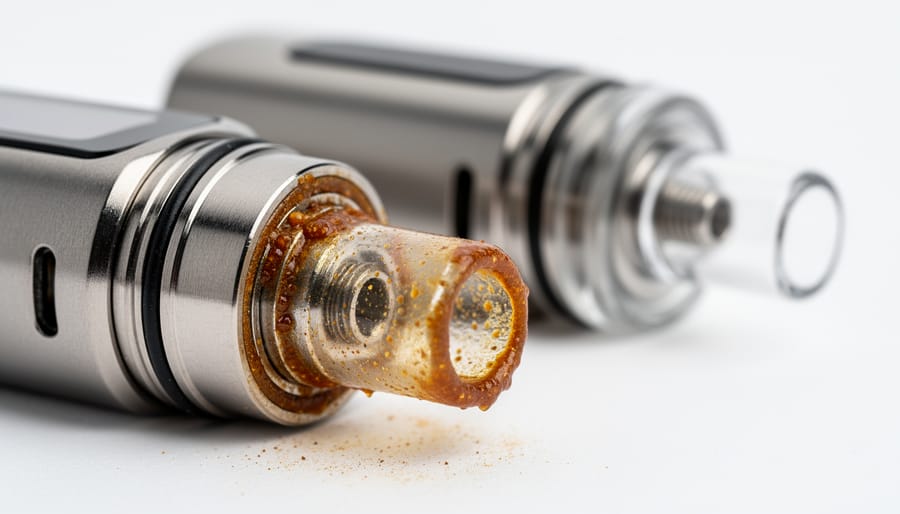
Many hemp-derived THC vapes come as disposable units designed for maximum profit margins, not user safety. These devices typically use the cheapest possible components: thin plastic housings that can leach chemicals when heated, low-grade wicking materials, and heating elements made from questionable metals. When that coil heats up to vaporize your cannabinoids, it’s also potentially releasing particles from corroded or contaminated metal directly into your lungs. Some disposables use unregulated batteries that can overheat or fail, creating fire hazards beyond the inhalation risks.
Cartridge materials matter more than most people realize. Polycarbonate plastic cartridges can break down over time, especially when exposed to acidic terpenes or solvents in cannabis oils. Glass and ceramic are safer options, but they cost more to manufacture, so they’re less common in the unregulated hemp market. Even the metal threading that connects a cartridge to a battery can introduce lead or other heavy metals if manufacturers cut corners on materials sourcing.
The heating element design directly affects what reaches your lungs. Cotton wicks can burn and produce irritating compounds. Certain coil metals oxidize at vaping temperatures, releasing fine particulates. A quality device designed for cannabis concentrates will use materials like ceramic heating elements or medical-grade metals, but finding the best vape pen setup requires research that most hemp-derived THC brands don’t make easy for consumers.
Temperature control is another hardware consideration. Cheap devices often lack precise temperature regulation, potentially causing your oil to combust rather than vaporize, creating harmful byproducts in the process.
When you’re already dealing with unregulated cannabinoids, adding substandard hardware compounds the risk significantly.
How to Make Safer Choices When Buying Hemp-Derived THC Vapes
Look for Third-Party Lab Testing (and Know How to Read It)
Third-party lab testing is your most reliable tool for evaluating hemp-derived THC vape products, but only if you know what you’re looking at. A Certificate of Analysis (COA) is a document that reports the results of independent laboratory testing on a specific product batch. Reputable brands make these readily available on their websites or through QR codes on packaging.
A legitimate COA should test for several critical factors. Cannabinoid potency confirms the actual THC content matches what’s on the label. Residual solvents check for leftover chemicals from extraction processes like butane or ethanol. Heavy metals testing screens for lead, arsenic, mercury, and cadmium that can leach from soil or equipment. Pesticide analysis identifies harmful agricultural chemicals. Microbial contamination testing looks for molds, bacteria, and fungi. The most thorough COAs also test for mycotoxins and foreign materials.
Here’s how to verify a COA’s authenticity and usefulness:
- Check the batch number on the COA matches the batch number printed on your product packaging.
- Verify the lab is accredited (look for ISO 17025 certification) and independent from the manufacturer.
- Confirm the test date is recent, ideally within a few months of your purchase.
- Look up the lab’s contact information independently and confirm they actually performed the test.
- Review the actual test results, not just “pass/fail” indicators, you want to see specific numbers and detection limits.
Red flags include blurry or low-resolution COAs that are hard to read, missing batch numbers, tests from unknown or unaccredited labs, suspiciously perfect results showing zero contaminants across the board, and COAs older than six months. If a brand refuses to provide COAs, claims their products “don’t need testing,” or makes them difficult to access, walk away. Generic COAs that don’t reference specific batch numbers are essentially meaningless, they could be testing results from any product.
Choose Reputable Brands and Retailers
Finding trustworthy sources for hemp-derived THC products requires doing your homework before clicking “buy.” The lack of consistent regulation means the burden falls on you to separate legitimate operators from sketchy ones.
Start by investigating the company’s history and reputation. Established brands with years in the cannabis or hemp industry typically have more to lose from cutting corners. Look for companies that maintain active social media presence, respond to customer concerns, and have verifiable reviews across multiple platforms. Be suspicious of brands that appeared overnight with slick marketing but no track record.
Transparency separates reputable manufacturers from questionable ones. Legitimate companies openly share information about their hemp sources, extraction facilities, manufacturing processes, and quality control measures. They should clearly display batch-specific lab results on their website without making you hunt or contact customer service. Companies following cannabis industry best practices often publish detailed product information that goes beyond minimum legal requirements.
When shopping at online vape stores you can trust check whether they curate their hemp-derived THC selection or simply stock whatever generates profit. Responsible retailers vet their suppliers and remove products that fail safety standards. Physical stores with knowledgeable staff who can discuss testing results and extraction methods demonstrate commitment to customer safety.
Red flags include wildly exaggerated health claims, prices significantly below market rates, packaging that mimics popular brands, absence of contact information or physical address, and products sold without any testing documentation. Companies that refuse to provide COAs or respond evasively to safety questions should be avoided entirely.
If you’re new to vaping altogether, focus first on understanding quality standards with a basic vape starter kit from mainstream manufacturers before venturing into hemp-derived products. This establishes baseline expectations for build quality and safety features that should carry over to any THC products you eventually consider.
Understand the Source and Extraction Method
Where hemp is grown directly impacts what ends up in your vape cartridge. Hemp is a bioaccumulator, meaning it absorbs whatever’s in the soil, including heavy metals, pesticides, and industrial pollutants. Plants grown on contaminated land or with heavy pesticide use can concentrate these toxins, which then make their way into extracted cannabinoids. Reputable manufacturers source hemp from certified organic farms or regions with strict agricultural standards, and they’ll tell you exactly where their hemp comes from. If a brand won’t disclose their hemp source, that’s a red flag.
The extraction method matters just as much. CO2 extraction and ethanol extraction are considered clean, safe methods that don’t leave harmful residues when done properly. These processes use natural solvents that evaporate completely, leaving behind pure cannabinoids and terpenes. In contrast, some manufacturers use harsh chemical solvents like butane, hexane, or other hydrocarbons to extract cannabinoids. When not fully purged, these solvents remain in the final product and vaporize directly into your lungs.
For hemp-derived cannabinoids like delta-8, the conversion process adds another layer of concern. Converting CBD to delta-8 THC requires strong acids and other chemicals. Sloppy chemistry leaves behind reaction byproducts, unreacted reagents, and mystery compounds that haven’t been safety tested. Companies serious about safety will provide detailed information about their extraction and conversion processes, not vague marketing language about “proprietary methods.”
Start Low and Go Slow
Even experienced cannabis users can be caught off guard by hemp-derived THC vapes due to inconsistent potency between batches and brands. What one cartridge labels as 10mg per puff might deliver significantly more, or less, than advertised, making it impossible to dose predictably without personal testing.
Start with a single, short inhale and wait at least 15 minutes before considering more. Vaping delivers THC faster than edibles, but individual response times vary based on tolerance, metabolism, and whether you’ve eaten recently. What feels underwhelming after five minutes might become overwhelming by minute ten.
Keep a journal noting the brand, strain, and how many puffs it took to reach your desired effect. This record becomes invaluable when you try new products or revisit old favorites, helping you establish a baseline despite industry-wide inconsistency.
If you’re new to THC entirely, consider assembling a vape starter pack with lower-potency options and tools for responsible use. Never vape hemp-derived THC before driving, operating machinery, or in situations where impairment could create danger. Treat these products with the same caution you’d apply to any intoxicant, underestimating potency carries real consequences.
Legal Considerations and the Changing Landscape
The legal status of hemp-derived THC vape products remains one of the most confusing aspects for consumers in 2026. While the 2018 Farm Bill federally legalized hemp and its derivatives containing less than 0.3% delta-9 THC, it inadvertently created a loophole that manufacturers have exploited to produce psychoactive products like delta-8 THC, THC-O, and HHC. These compounds technically derive from legal hemp but produce intoxicating effects similar to marijuana-derived THC.
State responses have varied wildly, creating a patchwork of regulations that change frequently. Some states have explicitly banned all psychoactive hemp-derived cannabinoids, while others allow them with varying degrees of oversight. A handful of states have implemented age restrictions, testing requirements, or licensing systems specifically for hemp-derived THC products, but many jurisdictions still have no clear framework in place. This means a product that’s perfectly legal to buy in one state might be completely prohibited across the state line.
The critical point here is that legal status tells you nothing about product safety or quality. A hemp-derived vape that’s technically legal to sell may still be contaminated, mislabeled, or manufactured using questionable processes. Federal legality under the Farm Bill doesn’t trigger FDA oversight or quality standards, and in states without specific hemp-derived THC regulations, these products face essentially zero mandatory safety testing or manufacturing standards. The phrase “federally legal” has become a marketing tool that suggests legitimacy without guaranteeing it, leaving consumers to navigate a market where legal availability far outpaces regulatory protections.
When to Avoid Hemp-Derived THC Vapes Entirely

Some situations call for complete avoidance of hemp-derived THC vapes, regardless of product quality or testing claims.
Pregnant and breastfeeding individuals should never use these products. THC crosses the placental barrier and enters breast milk, potentially affecting fetal development and infant health. The risks far outweigh any perceived benefits, and no amount of THC consumption during pregnancy or nursing is considered safe.
Anyone with respiratory conditions like asthma, COPD, or a history of lung disease should skip vaping entirely. Inhaling any substance other than clean air stresses compromised lungs, and the unknown additives in hemp-derived vapes create additional risks your respiratory system cannot afford.
If you face drug testing for employment, legal proceedings, or sports participation, hemp-derived THC products will likely trigger positive results. Standard drug tests cannot distinguish between hemp-derived and marijuana-derived THC, and explaining the difference to an employer or court rarely matters. The consequences of a failed test typically outweigh any benefits these products offer.
Individuals taking medications that interact with THC or those with certain mental health conditions, particularly schizophrenia or psychosis risk factors, should also avoid these products.
When regulated cannabis products are available in your state, or when CBD-only options meet your needs, those alternatives offer clearer safety profiles than unregulated hemp-derived THC vapes. Sometimes the smartest purchase decision is no purchase at all.
The hemp-derived THC vape market offers convenience and accessibility, but it comes with serious safety trade-offs that demand your attention. Unlike state-regulated cannabis programs with mandatory testing and quality standards, many hemp-derived products operate in regulatory gray areas where oversight is minimal or nonexistent. This creates real risks: contaminated cartridges, mislabeled potencies, synthetic conversion byproducts, and questionable hardware that can compromise what you’re inhaling.
If you choose to use these products, treat every purchase as a decision that directly affects your health. Insist on third-party lab testing you can verify. Research brands thoroughly and favor those that voluntarily meet higher standards. Understand what you’re buying and how it’s made. Start with low doses until you know what you’re dealing with.
Your safety isn’t guaranteed by a “hemp-derived” label or even legal status. It requires active vigilance, skepticism toward marketing claims, and willingness to walk away from products that don’t meet basic transparency standards. Knowledge is your best defense in an under-regulated market. Make informed choices, prioritize quality over convenience, and never assume that what’s legal is automatically safe. Your lungs and your health are worth the extra effort.