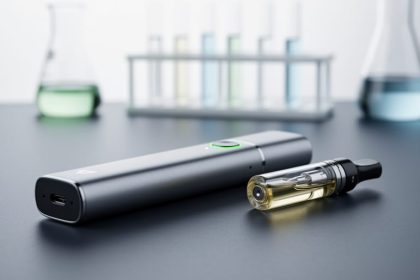

If you’ve arrived here looking for the peptide catalog at Kylo Peptides or similar research peptides, you’re in the wrong place. This is a vaping information and product resource, not a peptide supplier. The confusion likely stems from a misdirected search or link, but we want to clear that up immediately so you can find what you actually need.
Research peptides and vaping products occupy completely different categories. Peptides are biological compounds used in laboratory research and require specialized suppliers with proper handling protocols and documentation. Vaping products, by contrast, are consumer devices and e-liquids designed for personal use. Mixing up these categories isn’t just inconvenient, it’s a safety concern on both ends.
If you genuinely need research peptides, you’ll want to work with verified scientific suppliers who provide certificates of analysis, proper storage guidelines, and regulatory compliance documentation. That’s not what we do here.
However, if you’re actually interested in vaping and somehow ended up on this search by accident, or if you’re curious about what need to know before purchasing vaping products safely, you’re in the right spot. We focus on helping people make informed decisions about vaping equipment, e-liquids, and safety practices. That means breaking down technical specifications, explaining ingredient lists, and emphasizing responsible purchasing from legitimate retailers.
The bottom line: Know what you’re buying and buy it from the right source. Research chemicals belong with scientific suppliers. Vaping products belong with verified vaping retailers. Getting that distinction right protects your safety and ensures you receive legitimate products suited to your actual needs.
The Confusion Between Research Chemicals and Vaping Products
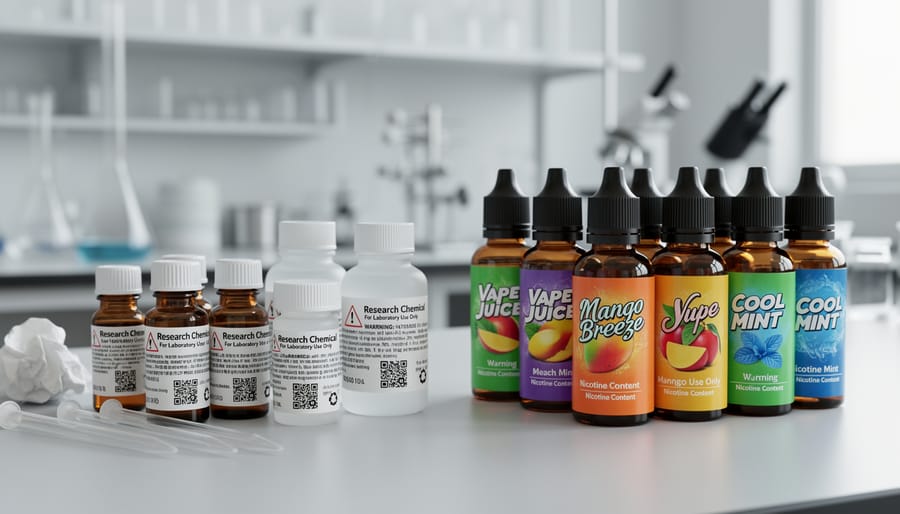
The internet has a way of creating unexpected intersections. Someone searching “research peptides for sale” might land on a vaping website for several reasons: algorithm confusion, mixed search results, or sites that misleadingly tag unrelated products to capture broader traffic. Search engines sometimes associate these terms because both markets involve online purchasing, both use scientific-sounding terminology, and both exist in spaces where buyers seek specific products with varying degrees of regulation.
But here’s what matters: research peptides and vaping products are fundamentally different categories with zero overlap in actual use, composition, or safety standards. Research peptides are chemical compounds intended for laboratory study, not human consumption. They fall into a murky regulatory zone where sellers often include disclaimers stating “not for human use” to sidestep FDA oversight. Vaping products, by contrast, are consumer goods designed specifically for human use, subject to manufacturing standards, age restrictions, and regulatory frameworks that govern what can be sold and to whom.
The confusion carries real consequences. Someone looking for one category and accidentally purchasing from the other isn’t just making a shopping mistake. They’re potentially exposing themselves to substances without quality control, proper labeling, or any guarantee of contents. The vaping industry, for all its evolution and controversy, operates within established product safety frameworks. Research chemical vendors often don’t.
Understanding what you’re actually buying protects you. If you’re here because you genuinely want vaping products, you’re in the right place. If you arrived looking for research peptides, you need a completely different type of supplier with appropriate laboratory credentials and purposes. The two markets shouldn’t mix, and recognizing that distinction is your first line of defense as a consumer.
What Vapers Should Actually Be Looking For
Understanding E-Liquid Ingredients
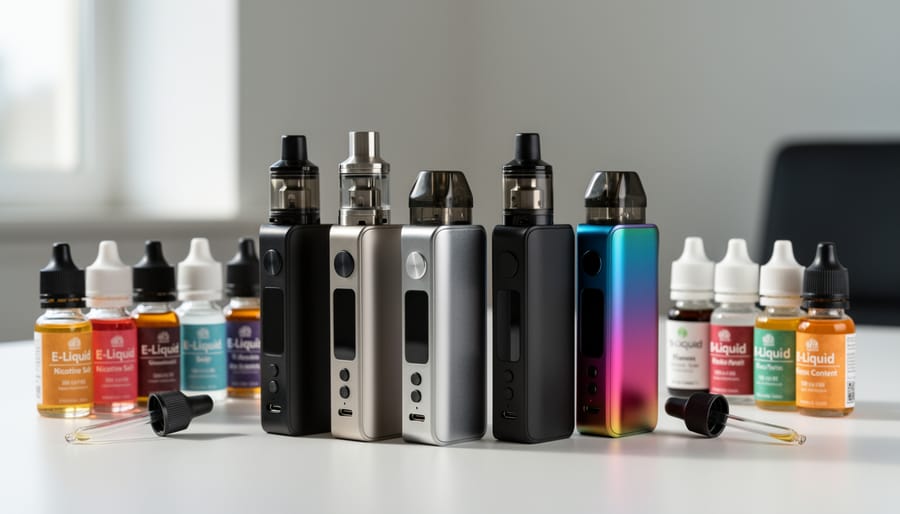
Unlike research peptides, which are complex amino-acid chains intended for laboratory study, e-liquids contain a simple, transparent formulation designed specifically for inhalation. When you purchase from reputable vaping retailers in 2026, you’re getting products made from just four primary e-liquid ingredients.
Vegetable glycerin (VG) and propylene glycol (PG) form the base of every e-liquid. VG is a thick, sweet liquid derived from vegetable oils that produces dense vapor clouds, while PG is a thinner substance that carries flavor more effectively and delivers a stronger throat hit. Most e-liquids use a ratio blend of these two, commonly 70/30 or 50/50, to balance cloud production with flavor intensity.
Nicotine is the third component, available in various concentrations or completely omitted in zero-nicotine options. Modern e-liquids often use nicotine salts, which absorb more smoothly at higher strengths compared to traditional freebase nicotine.
The fourth ingredient is food-grade flavoring, the same compounds approved for consumption in everyday foods and beverages. These concentrated flavorings create everything from fruit blends to dessert profiles.
That’s it. No mysterious peptide sequences, no experimental compounds, no ambiguous chemical formulations. Quality e-liquids list every ingredient clearly on the label, and reputable manufacturers provide detailed composition information. This transparency stands in stark contrast to research chemicals marketed online, where buyers often have no idea what they’re actually receiving.
Lab Testing and Quality Certifications That Matter

When you’re shopping for e-liquids in 2026, legitimate quality markers look nothing like peptide research claims. Start with third-party lab testing certificates that verify nicotine content accuracy, reputable brands publish these results openly, often with batch numbers you can trace. Look for ISO 9001 certification, which indicates consistent manufacturing processes, and compliance with regional standards like the EU’s TPD regulations or similar frameworks in your area.
Ingredient transparency matters more than fancy packaging. Quality suppliers list exact VG/PG ratios, nicotine strength verification, and confirm their products are diacetyl-free. Some brands go further with USP-grade ingredients and publish full ingredient disclosure panels. You’ll also want suppliers who demonstrate proper facility certifications, cleanroom manufacturing isn’t just marketing speak when it’s backed by actual facility audits.
Red flags include vague claims about “pharmaceutical-grade” formulations without supporting documentation, missing batch information, or sellers who can’t provide any testing records. Legitimate vaping retailers understand these certifications protect you and willingly share them. Before purchasing, check the manufacturer’s website directly for published lab reports, if they’re hiding behind customer service tickets instead of displaying results openly, shop elsewhere.
How to Identify Reputable Vape Product Sellers
Finding legitimate vape retailers requires careful evaluation, especially when shopping online. Unlike research chemicals sold through unregulated channels, the vaping industry has established sellers who prioritize transparency, customer safety, and regulatory compliance. Knowing what to look for helps you avoid questionable retailers and ensures you’re purchasing quality products from vape stores you can trust.
Start by checking if the retailer clearly displays age verification processes. Legitimate sellers implement strict age gates on their websites and verify customer age at checkout and delivery. This isn’t just good practice, it’s a legal requirement. If a site lets you browse or purchase without confirming you’re of legal age, that’s an immediate warning sign.
| Red Flags | Green Flags |
|---|---|
| No visible contact information or physical address | Clear contact details, phone number, and business address listed |
| Missing age verification at checkout | Robust age verification at multiple points |
| No product testing information or certifications | Lab results and quality certifications readily available |
| Suspiciously low prices compared to market average | Competitive but realistic pricing with clear product descriptions |
| Generic product photos or vague ingredient lists | Detailed specifications, batch numbers, and authentic product images |
Customer reviews provide valuable insight, but look beyond star ratings. Reputable sellers feature detailed reviews across multiple platforms, not just on their own website. Check independent review sites, vaping forums, and social media presence. Authentic retailers welcome scrutiny and often respond professionally to both positive and negative feedback.
Transparency about product sourcing matters significantly. Trustworthy vendors disclose where their e-liquids are manufactured, provide batch information, and share third-party lab testing results. They shouldn’t hesitate to answer questions about ingredients, nicotine levels, or manufacturing processes. If a retailer is vague about these details or claims everything is proprietary, proceed with caution.
Finally, examine their return and refund policies. Legitimate businesses stand behind their products with clear, fair policies that protect customers. Retailers confident in their product quality make returns straightforward, not impossible.
Safety First: Why Vaping Standards Protect You
When you purchase vaping products from legitimate retailers, you’re benefiting from extensive regulatory oversight designed specifically to protect consumers. In most jurisdictions, vaping products must meet strict manufacturing standards, undergo ingredient disclosure requirements, and comply with labeling regulations that clearly identify nicotine content and potential risks. These frameworks exist because vaping is a recognized consumer activity with established safety protocols.
Age verification systems represent another critical protection. Reputable vape sellers implement robust checks, both online and in physical stores, to prevent sales to minors. This isn’t just good practice; it’s legally mandated in most regions, with significant penalties for violations. These restrictions ensure vaping products reach only appropriate adult consumers who can make informed choices about their use.
Quality control measures in the vaping industry include batch testing for contaminants, consistency checks on nicotine levels, and verification that ingredients meet food-grade or pharmaceutical-grade standards. Major manufacturers invest heavily in these processes because they’re accountable to regulatory bodies and consumers. If something goes wrong, there’s a clear chain of responsibility and mechanisms for product recalls or safety alerts.
Unregulated research chemicals operate in a completely different sphere. They face minimal oversight, lack consumer protection standards, and often carry explicit disclaimers stating they’re “not for human consumption.” There’s no regulatory body ensuring purity, no age restrictions preventing access, and no accountability when products cause harm.
Understanding eligibility and safety standards in vaping means recognizing that these protections exist for your benefit. They create a marketplace where quality matters, where sellers face consequences for cutting corners, and where you can purchase with reasonable confidence that products meet established safety benchmarks rather than operating in an accountability vacuum.
Making Informed Vaping Purchases in 2026
Making informed purchases starts with knowing exactly what you need and where to find it reliably. Whether you’re picking up your first device or expanding an existing collection, a systematic approach protects both your wallet and your safety.
Before you click “buy,” follow these steps to ensure you’re getting quality products:
- Identify your specific needs, nicotine strength, flavor preferences, device type, and budget range.
- Research at least three reputable retailers that specialize in vaping products and compare their offerings.
- Check for third-party lab testing certificates and ingredient transparency on product pages.
- Read recent customer reviews, focusing on comments about product quality, shipping times, and customer service responsiveness.
- Verify the seller displays proper age verification protocols and complies with regional vaping regulations.
- Compare total costs including shipping, and watch for deals that seem unrealistically cheap, they often are.
- Confirm the return policy and warranty coverage before finalizing your purchase.
For beginners, starting with a vape starter pack from an established retailer simplifies the process by bundling essential items together. This approach removes guesswork and ensures compatibility between components.
Experienced vapers should track their preferred e-liquid brands and suppliers, monitoring for batch consistency and any formulation changes. Building relationships with a few trusted retailers often leads to better customer service and early access to new products. Don’t hesitate to contact sellers directly with questions about ingredients, sourcing, or certifications, legitimate businesses welcome these inquiries and respond thoroughly. If a seller can’t or won’t answer basic safety questions, take your business elsewhere.
If you arrived here searching for research peptides, you’ve likely realized by now that vaping products occupy an entirely different category. Research peptides belong to the laboratory and scientific research world, while vaping products are consumer goods designed for personal use with established safety standards and regulations.
The confusion between these two markets highlights something crucial: knowing exactly what you’re purchasing matters. Whether you’re shopping for e-liquids, devices, or any vaping product, the same principle applies, prioritize safety, seek transparency from sellers, and make informed decisions based on quality certifications and reputable sources.
For vapers, this means focusing on lab-tested e-liquids from established manufacturers, understanding ingredient lists, and choosing retailers with clear regulatory compliance. Don’t settle for vague product descriptions or sellers who can’t provide proper documentation of their offerings.
Your health and safety depend on purchasing the right products from the right sources. Take time to research, read reviews, and verify that what you’re buying meets current standards. The vaping industry offers plenty of quality options when you know what to look for and where to find legitimate information.